

Skip to content

EV Charging for Fleets & Electric Vehicles

Designed around fleet operations, charging demand, site capacity, and long-term electrification goals.

EV charging as core facility infrastructure

 Fleet electrification, tenant demand, and evolving regulatory requirements are making onsite charging a standard part of facility planning.

On-site charging systems support vehicle electrification while managing increased electrical load and avoiding costly utility upgrades. Systems are designed to scale over time, supporting current needs while planning for future expansion. 

Systems designed around your site and
electrical capacity

Charging infrastructure designed around power availability, user demand, and long-term scalability.

Existing electrical capacity and available load
Available electrical capacity is the most common constraint — we assess your existing service and load profile early to phase deployment efficiently.
Current Operations and Future Expansion
Planned around traffic flow, parking layout, accessibility, and phased expansion to support long-term fleet and facility needs.

Common EV charging applications

EV charging requirements vary by use case. Every deployment is designed around how charging will actually be used.

Ultility vehicles

Fleet Electrification

Facilities managing owned or leased vehicle fleets — delivery, service, or transportation operations transitioning to electric. Charging is designed around vehicle return schedules, dwell times, and fleet size.
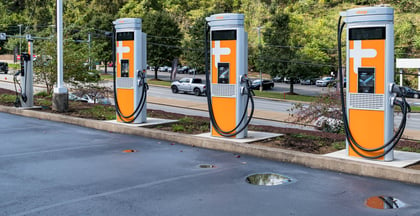
Ev charging commercial building

Workplace & Employee Charging

Employers offering charging as a benefit or amenity — supporting staff EV adoption and sustainability commitments. Level 2 chargers sized to workday dwell times.
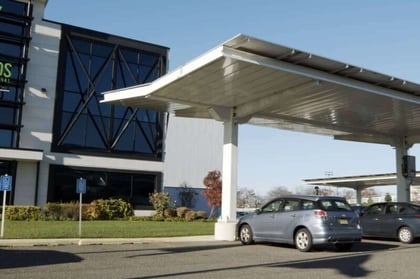
Thomas Foods Project Solar Carport

Mixed-Use & Campus Deployments

Larger facilities or multi-building sites with a combination of fleet, employee, and visitor charging needs — requiring phased deployment planning and load management across locations.
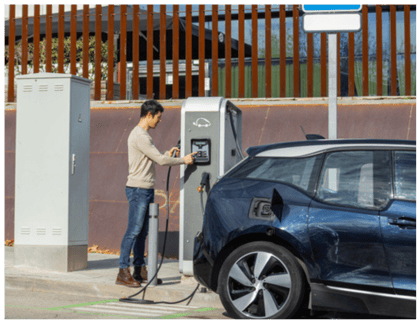
section 4

Tenant & Visitor Access

Property owners and managers providing charging as a tenant amenity or public access point — supporting asset value and occupancy.

EV charging as part of an integrated energy system

EV charging introduces significant new electrical demand — making integration with onsite energy systems critical for cost control and future expansion.

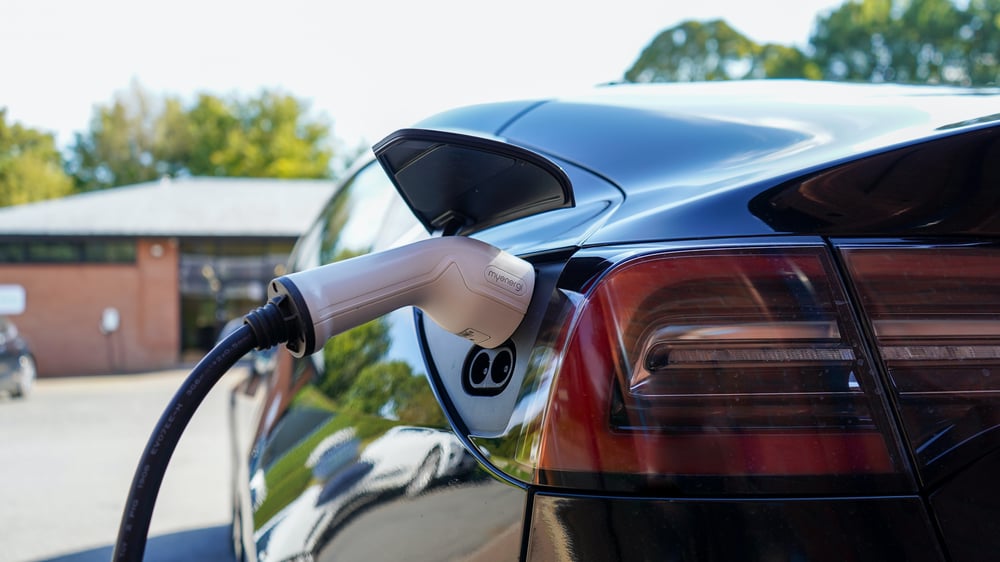
EV + Solar PV

Offset charging demand with onsite generation — reducing reliance on grid electricity.
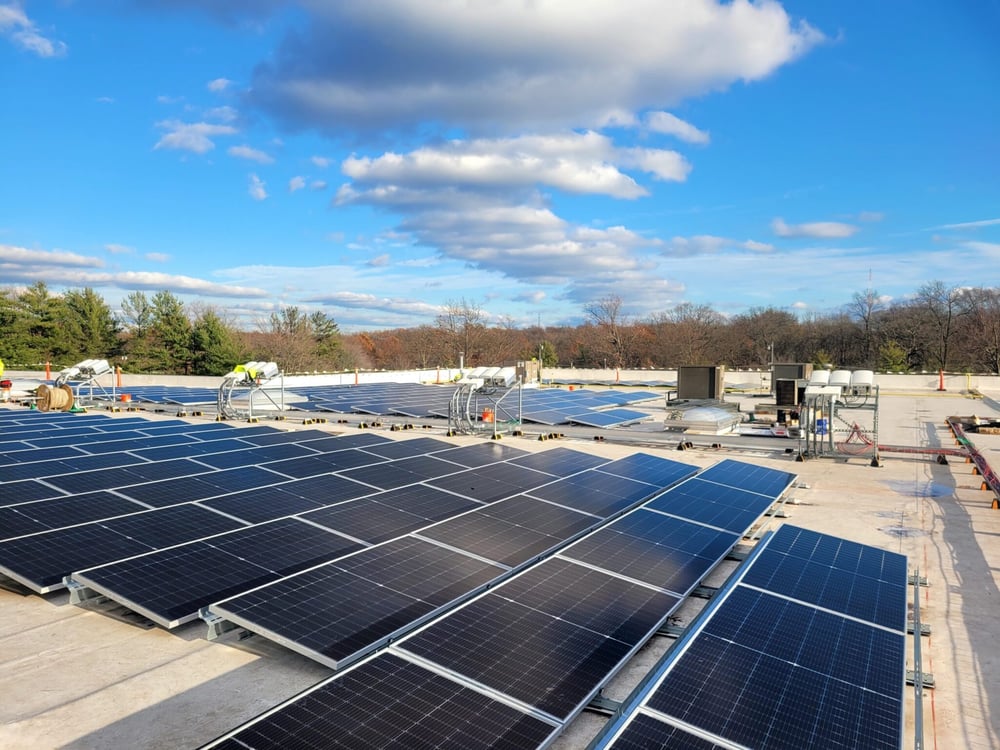
pexels-chevanon-photography-302902

EV + Microgrids

Support resilient charging for critical fleet operations.
pexels-chevanon-photography-302902

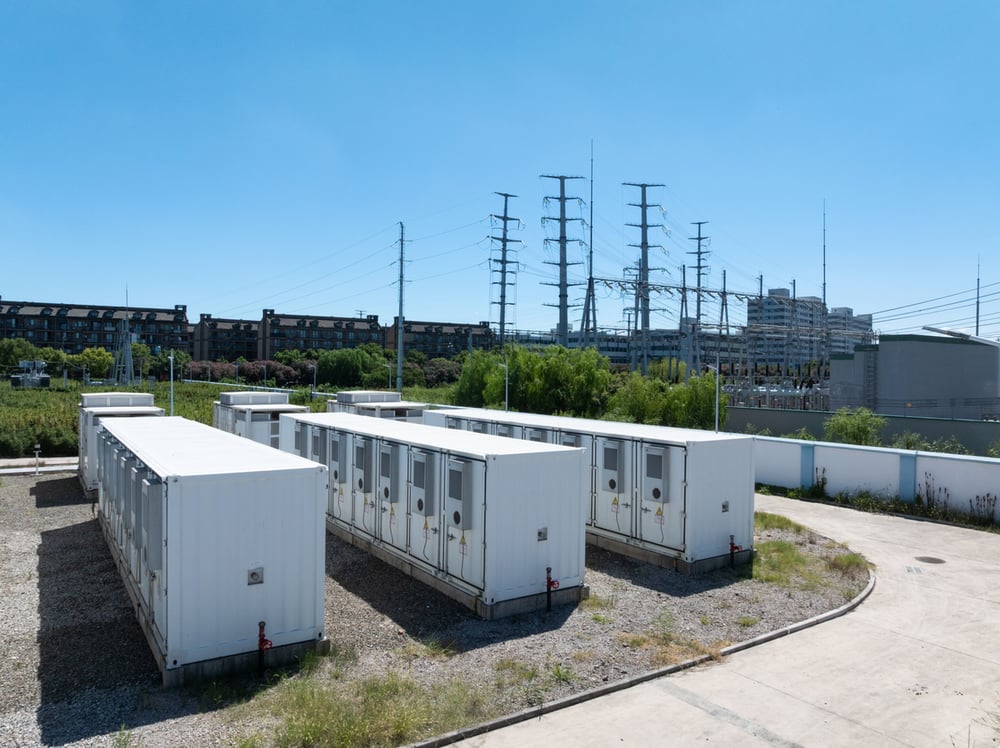
EV + Battery Storage (BESS)

Manage peak demand, reduce demand charges, and balance charging loads.
pexels-chevanon-photography-302902

Financing options aligned to your capital strategy

EV charging projects can be structured to match your financial and operational priorities — and often require no upfront capital to move forward.

No upfront investment
PPAs and leases provide immediate savings without capital outlay — cash-flow positive from day one.
No up front investment Icon
Ownership options
Direct purchase, loans, and PACE financing maximize ITC benefits, depreciation, and long-term returns.
Energy system icon 2
Fully managed energy
Energy Service Agreements (ESA) deliver defined outcomes — cost savings, demand reduction, resilience — with no ownership responsibility.
Commercial indistrial... icon

EV charging built for your facility

Delivered with consistent execution across diverse facility types, site conditions, and charging requirements.

Trusted by companies across the country

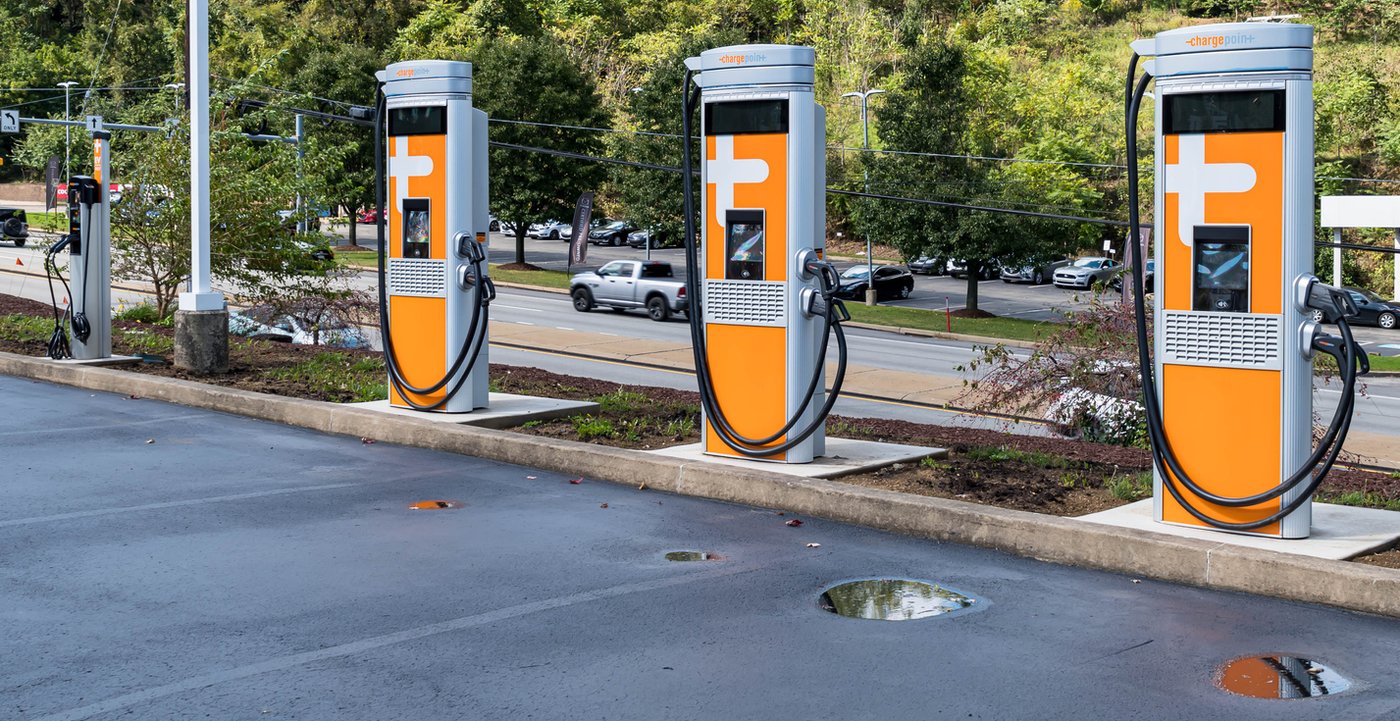
Evaluate EV charging for your facility

We’ll assess your site, electrical capacity, and charging needs — and define the right path forward.
Evaluate EV charging for your facility

FAQs

Cost varies significantly based on charger type, quantity, electrical upgrade requirements, and site conditions. A basic Level 2 installation differs substantially from a multi-port DCFC deployment requiring utility service upgrades. We model total project cost before you commit to a scope.

Level 2 chargers are standard for workplace and tenant applications, providing sufficient charging over a workday or overnight. DC fast chargers are appropriate for fleet operations or high-turnover sites where rapid charging is required. Charger type selection depends on your use case, usage patterns, and budget.

It depends on your existing capacity and the scale of deployment. Available electrical capacity is the most common constraint on EV charging projects — and the most frequently underestimated. We assess your service, panel capacity, and load profile early to determine whether utility upgrades are required and how to phase deployment to minimize upfront cost.

Federal tax credits, utility rebates, and state-level incentive programs can meaningfully reduce project cost. Available incentives vary by market, project structure, and charger type. We identify applicable programs and structure projects to capture them.