
Skip to content

Battery Energy Storage Systems | BESS

Store energy when it's least expensive. Use it when it delivers the most value.

How a battery energy storage system (BESS) works

A Battery Energy Storage System (BESS) stores electricity from the grid or onsite generation and automatically deploys it when it provides the greatest benefit.

Intelligent controls manage charging and discharging based on energy prices, facility demand, and grid conditions — helping reduce peak demand, improve reliability, and optimize energy use.

Rather than consuming electricity only when it's delivered, your facility gains the flexibility to use energy when it makes the most sense.


Why battery storage matters now

The way businesses consume electricity is changing. Rising energy costs, growing demand on the electric grid, and longer utility upgrade timelines are creating new challenges for facility owners and operators.

Battery storage provides a flexible energy resource that helps organizations adapt to these changes while improving financial performance and operational resilience.


How BESS creates value

Unlike traditional energy infrastructure, battery storage can create value in multiple ways simultaneously. Depending on your facility and operating profile, a BESS can reduce energy costs, generate new revenue, improve power quality, support business continuity, and help avoid costly utility upgrades.

Most facilities capture multiple value streams simultaneously — turning a single asset into multiple sources of savings, revenue, and resilience.

The examples below are based on November 2025 electric rates for a facility with approximately 1 MW of daily demand.

Value Stream How It Works Typical Annual Impact
Grid Demand & Capacity Charges Discharge during system-wide peaks to reduce long-term capacity charges. $300K–$500K annual savings
Demand Response Participation Get paid to discharge or reduce usage during grid events. $50K–$100K annual revenue
Time-of-Use Optimization Charge during off-peak hours and discharge during high-rate periods to avoid costly grid energy. Monthly savings
Power Quality Improvement Smooth voltage and frequency to improve power quality. Reduce kVA penalties & downtime
Backup & Resilience Maintain uptime and protect critical systems during outages. Avoid costly shutdown losses

What this means for your facility:

  • Reduce demand charges
  • Lower capacity and transmission costs
  • Minimize the impact of rising rates
  • Generate revenue through grid programs
  • Provide battery backup power during outages
  • Improve power quality
  • Support EV charging and expansion

Is your facility a good fit for a BESS?

  • High demand charges or "spiky" load profile
  • Mission-critical operations
  • Energy-intensive processes
  • Planning EV charging or expansion
  • Existing solar system
  • ESG or electrification targets

Industries and facilities that benefit most

We design and install commercial battery storage systems for a wide range of facility types and operating requirements.

Manufacturing & Industrial

High-load operations where downtime impacts production.

Cold Storage & Distribution

Energy-intensive with strict uptime requirements.

Healthcare & Critical Operations

Outages impact safety, compliance, and revenue.

Commercial Real Estate

Reduce operating costs and improve asset value.

Corporate & Institutional Campuses

Support ESG and electrification goals.

Logistics & Warehousing

Large facilities with growing EV charging demand.

BESS financing aligned to your capital strategy

Battery storage often requires no upfront capital — and can be cash-flow positive from day one.

No upfront investment
PPAs and leases deliver savings without CapEx.

No up front investment Icon
Own your system
Maximize tax benefits and long-term returns.

Full ownership full upside Icon
Fully managed energy
Pay for outcomes, not infrastructure.
project-management

Battery storage as part of an integrated energy system

The value and benefits increase when combined with other technologies.

BESS + Solar

Solar battery storage maximizes the value of both assets.

battery-storage-power-lines

BESS + EV Charging

Scale electrification without demand spikes.
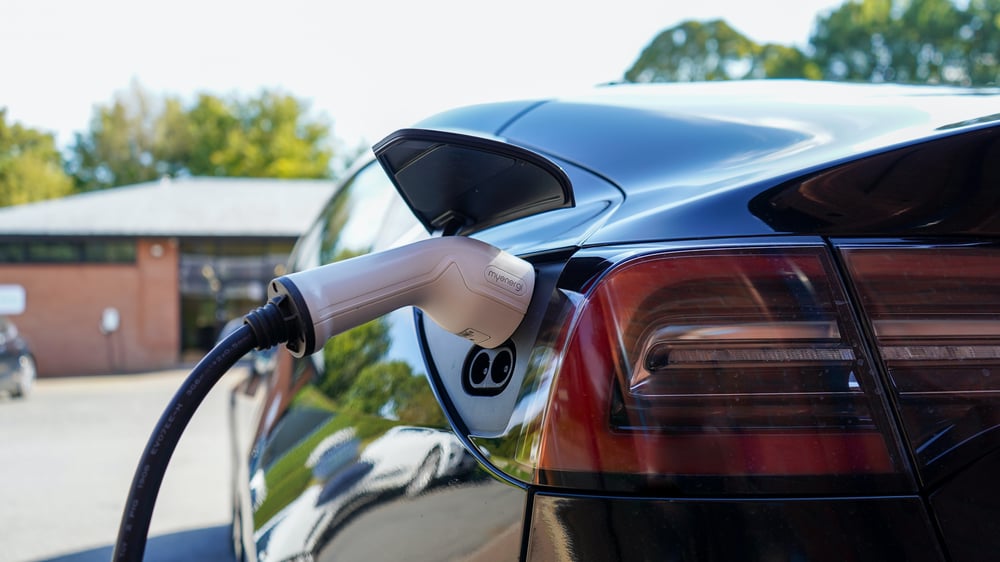
myenergi-4SyUf9MvWjU-unsplash

BESS + Microgrids

Maintain operations during outages.
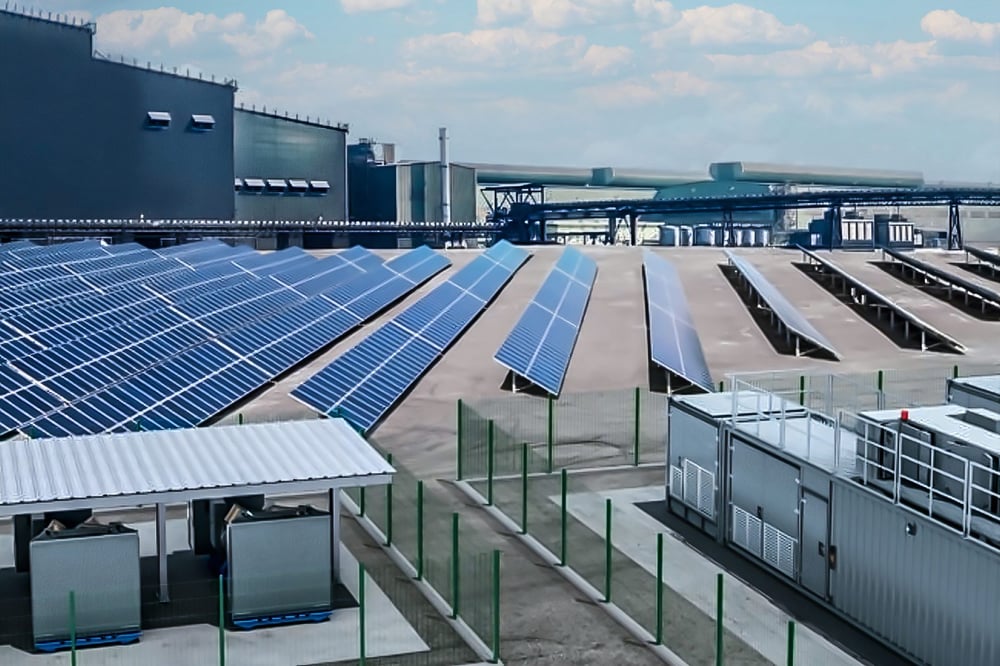
microgrid-service-pfister-energy

Trusted by companies across the country

Turn your energy usage into a
financial asset

We'll model your opportunity and identify the right path forward for your unique situation.
Turn your energy usage into a<br> financial asset

FAQs

Yes. Battery storage delivers value on its own — solar enhances it.

Typically, 4–9 months depending on project scope.

Determined through financial modelling based on your usage and goals.

Federal ITC (30%+) plus state programs depending on location.

Facilities can earn revenue by supporting grid demand during peak events — a program known as demand response. Pfister manages enrollment and dispatch. In PJM-territory markets, the revenue potential has grown substantially as capacity prices have surged.

Typically, $500K to several million depending on size and configuration.