
Skip to content

Commercial Solar Decommissioning & Asset Retirement

Safe, structured decommissioning services for aging, underperforming, retired, or transitioning commercial solar assets.

A structured approach to decommissioning solar assets

As commercial solar systems age, owners may face lease expiration, redevelopment plans, repowering decisions, or declining economic viability that no longer justifies continued operation.

Decommissioning involves far more than equipment removal alone. Proper execution requires utility coordination, safe electrical disconnection, structural assessment, equipment recycling, site restoration, and documentation supporting compliance, reporting, and site transition requirements.

Improper decommissioning can create safety, compliance, structural, and financial risks long after the work is complete.

Pfister manages the full decommissioning process through coordinated engineering and field execution, drawing on 20+ years of experience delivering and maintaining commercial solar assets across rooftop, ground-mount, and distributed energy applications. 

Common reasons for decommissioning

  • Lease expiration or property transfer requirements
  • Facility redevelopment or site reconfiguration
  • Roof replacement or major structural upgrades
  • Repowering or modernization initiatives
  • Persistent underperformance or aging infrastructure
  • End-of-life economics that no longer justify continued operation

What decommissioning involves

Requirements vary based on system age, ownership structure, lease obligations, redevelopment plans, and long-term site strategy.

System assessment & planning

Before removal begins, systems are evaluated through site records, utility coordination requirements, and identification of lease or regulatory obligations governing the decommissioning process.

Site restoration

 Roof, ground, and structural restoration work is completed in accordance with project requirements, lease obligations, and the agreed restoration scope — including roof surface preparation, coordination of membrane repair or replacement, and preparation of the site for reroofing or future use. Warranty documentation for restored surfaces is provided as part of the project closeout. 

Equipment disposition

Managed through resale evaluation, refurbishment assessment, recycling pathways, and residual asset value review where applicable. Components may be evaluated for reuse or recycling pathways that support sustainability and waste reduction goals.

Chain-of-custody tracking supports client reporting and regulatory requirements.

Documentation & closeout

Complete and documented project closeout supports lease termination, lender reporting, regulatory compliance, and formal site hand back requirements.

Supporting services across the asset lifecycle

Optimizing aging assets

Restore production, modernize critical system components, and extend the useful life of commercial solar assets through recommissioning and repowering services. In some cases, recommissioning and repowering may provide a stronger financial outcome than full system retirement.
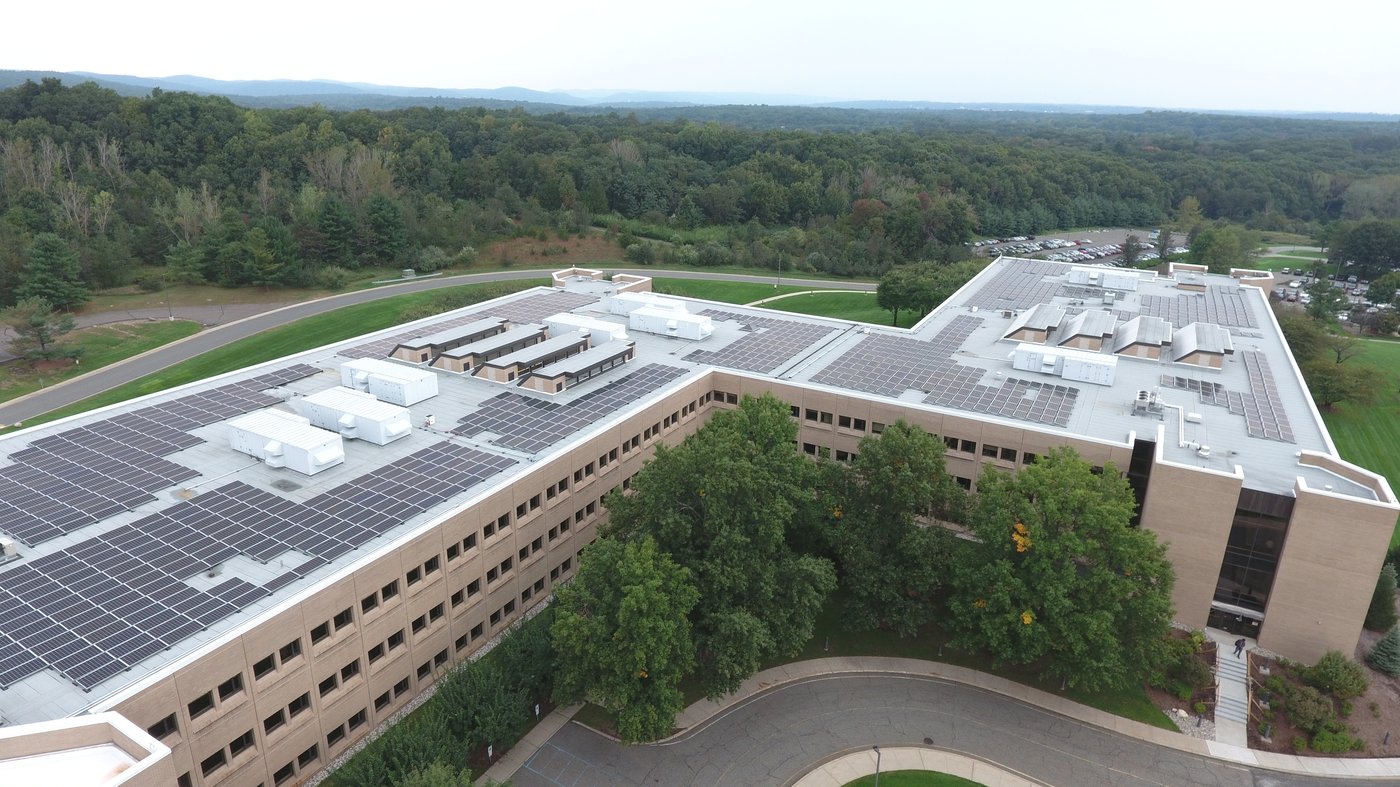
Optimizing aging assets

Ongoing operations & maintenance

Long-term monitoring, maintenance, and corrective support services are available before and after recommissioning work to help maintain operational continuity and equipment reliability.
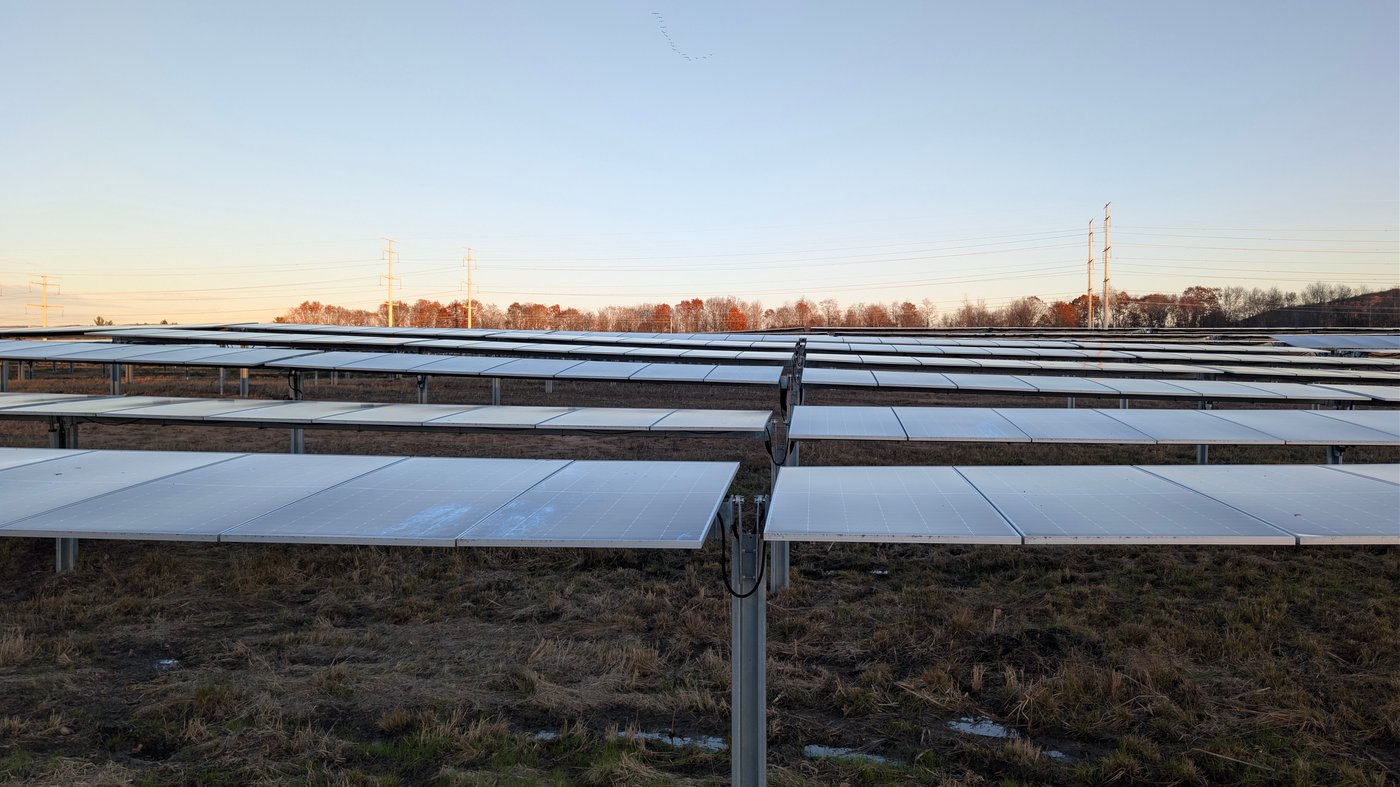

Ongoing operations & maintenance

Trusted by companies across the country

Discuss your decommissioning needs

FAQs

Common triggers include lease expiration requiring site restoration, repowering or replacement projects, ownership transfer requirements, redevelopment plans, or systems that have reached the end of economically viable operation.

Decommissioning planning should ideally begin several months before lease expiration, redevelopment activity, roof replacement, or asset retirement milestones. Early planning helps coordinate utility requirements, equipment disposition, site restoration, and project scheduling more efficiently.

Yes. Utility coordination and interconnection termination are managed as part of the decommissioning scope.

Removed equipment is evaluated for resale, refurbishment, recycling, or responsible disposal pathways based on condition, client requirements, and applicable regulations.

Yes. Third-party systems can be decommissioned following a site review and documentation assessment to establish existing conditions and project scope requirements.


Yes. Experience includes rooftop, ground-mount, canopy, and distributed commercial solar systems across a variety of site conditions.